
A telescopic camera crane can transform the visual language of a production. From sweeping live event shots to smooth cinematic reveals, the right package helps operators capture motion that tripods, sliders, or handheld rigs cannot deliver. Choosing well is not only about arm length. It is about stability, payload capacity, control, transport, and safe support.
Start with the Crane Arm and Base
The core of any package is the telescopic arm. Buyers should review maximum reach, collapsed length, build quality, and how smoothly the arm extends and retracts. If you are searching for a Telescopic camera crane for sale, New Pro Video Systems Inc. offers access to professional pre-owned support gear for demanding production environments.
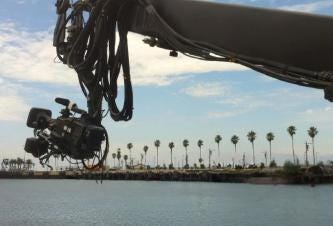
A strong base is equally important. The package should include a dolly, pedestal, or tripod-style support system rated for the full operating load. Without a proper foundation, even a premium crane arm may feel unsafe or difficult to control.
Remote Head and Camera Control
A complete telescopic crane package should include a compatible remote head. This allows the operator to pan, tilt, and control camera movement from the crane base. For professional productions, smooth remote operation directly affects shot quality.
Lens control options are also valuable. Focus, iris, and zoom controls help the camera team maintain precision while the camera is positioned high above a set, across a crowd, or moving through a venue.
Power, Cabling, and Monitoring
A good package should not leave you searching for missing essentials. Power cables, signal cables, control wiring, and mounting hardware should be included whenever possible. These details may seem minor, but they can make a major difference during setup.
Monitoring is another key component. Operators need a clear display at the crane base to frame shots accurately. Some packages may include monitor mounts, video transmission equipment, or integrated cabling. Before buying, confirm what is included and what must be purchased separately.
Counterweights and Safety Equipment
Every telescopic camera crane must be balanced correctly. A package should include the required counterweights or clearly specify the weight system needed. Safety locks, travel locks, mounting plates, and setup tools are also important.
Professional crews should never treat safety as optional. The crane should be inspected for wear, structural integrity, and smooth operation. New Pro Video Systems Inc. helps production teams source equipment from a company that understands professional video workflows.
Transport and Setup Accessories
Crane packages should also include transport cases, carts, or protective storage when available. Telescopic cranes are often used on location, so organized transport can reduce setup time and protect the gear between jobs.
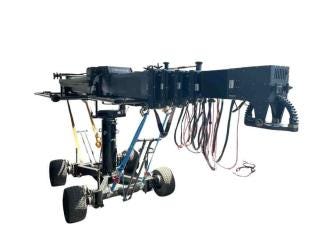
If you are comparing a telescopic camera crane for sale, think beyond the arm. A complete system should support real-world production needs, including fast assembly, safe operation, reliable movement, and compatibility with your camera payload.
Choosing the Right Package
The best package depends on your production style. Live event teams may prioritize fast setup and long reach. Film crews may care more about smooth movement and lens control. Studio teams may want repeatable performance and durable support gear.
To explore professional pre-owned camera cranes and jibs, visit New Pro Video Systems Inc.
FAQs
1. What should a telescopic camera crane package include?
It should include the crane arm, base support, remote head, counterweights, cables, monitoring options, mounting hardware, and transport accessories when available.
2. Why is a remote head important?
A remote head allows precise pan and tilt control while the camera is positioned away from the operator.
3. Is pre-owned crane equipment a good choice?
Yes, if it is professionally sourced and inspected. Pre-owned support gear can provide strong value for studios, rental houses, and production teams.
4. How do I choose the right crane package?
Consider payload capacity, reach, setup time, safety features, transport needs, and compatibility with your camera system.